Useful articles

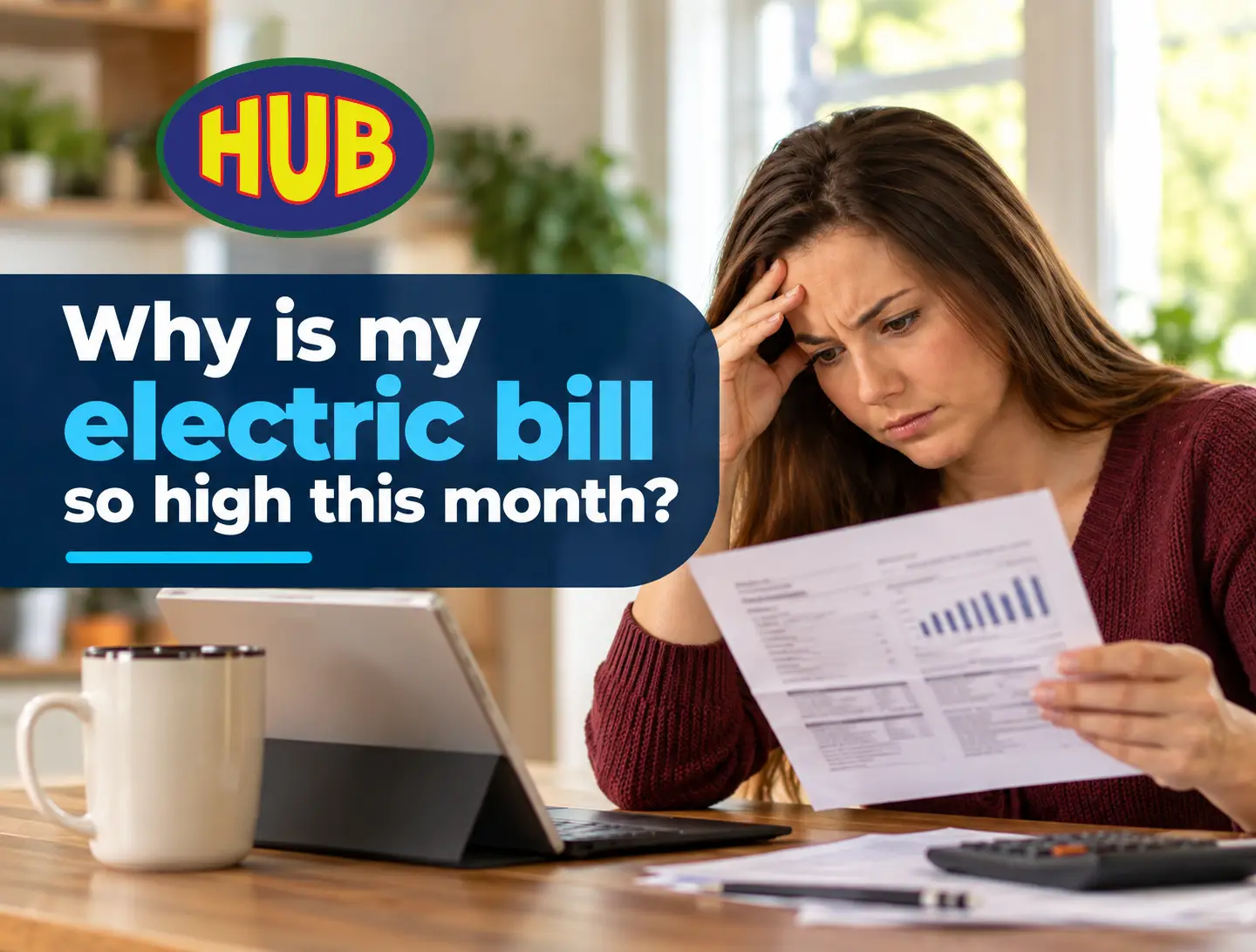
Why Is My Electric Bill Higher?

Understanding the most common reasons electric usage changes – and where to start looking. Opening your utility bill and seeing a higher-than-expected amount is never a welcome surprise. One of the first questions we hear is, “Why did my bill go up?” There isn’t always one simple answer. Your electric bill is based largely on…

Read article
Beware of FOG

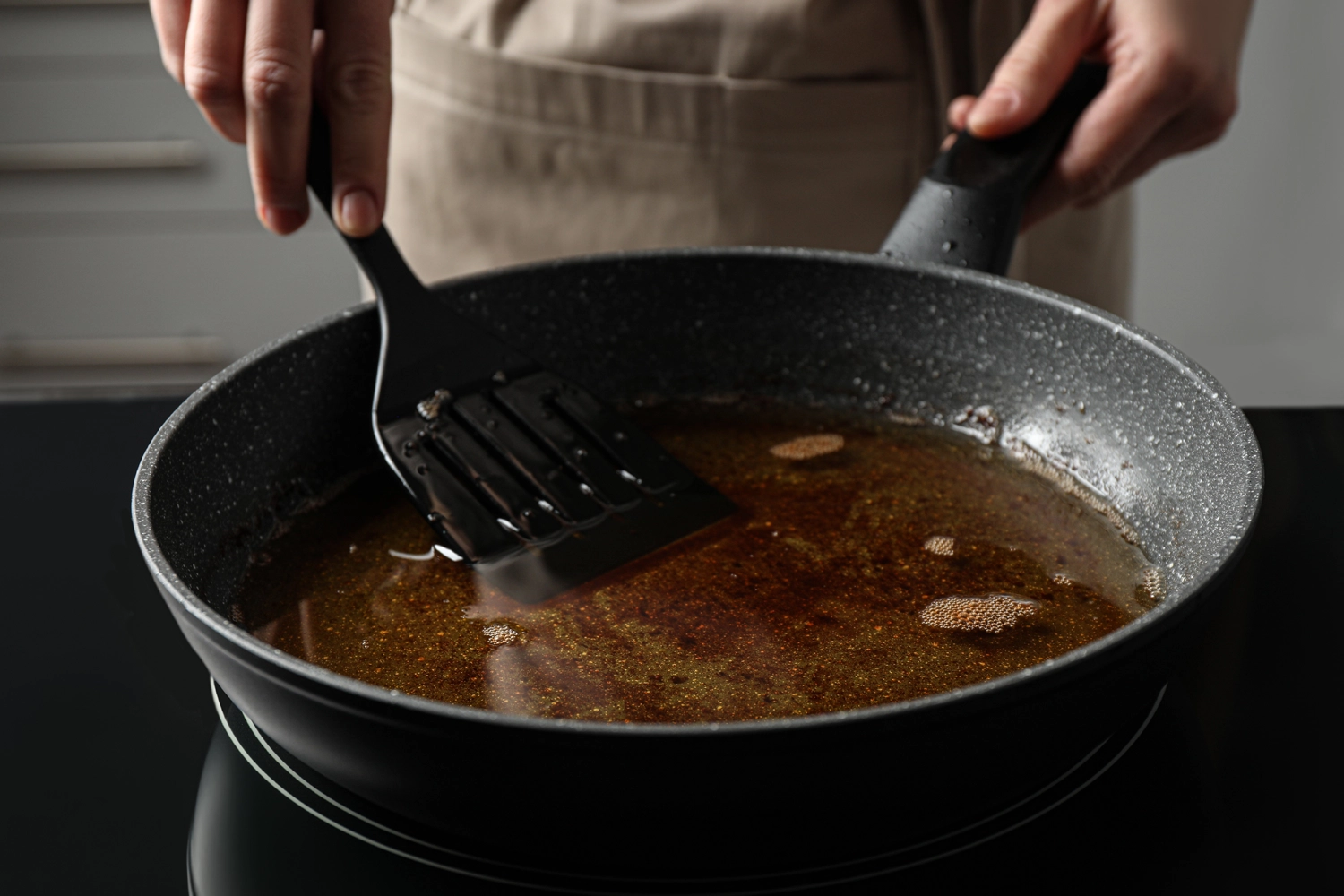
Protect Your Home and Community from Fats, Oils, and Grease Pouring fats, oils, and grease (FOG) down drains can lead to messy, costly sewage backups in your home and system-wide clogged pipes. When cooking, remember to cool it, can it, and trash it. FOG, common byproducts of cooking, include baking goods, cooking oil, meat fats,…

Read article
Dispersed Power Production

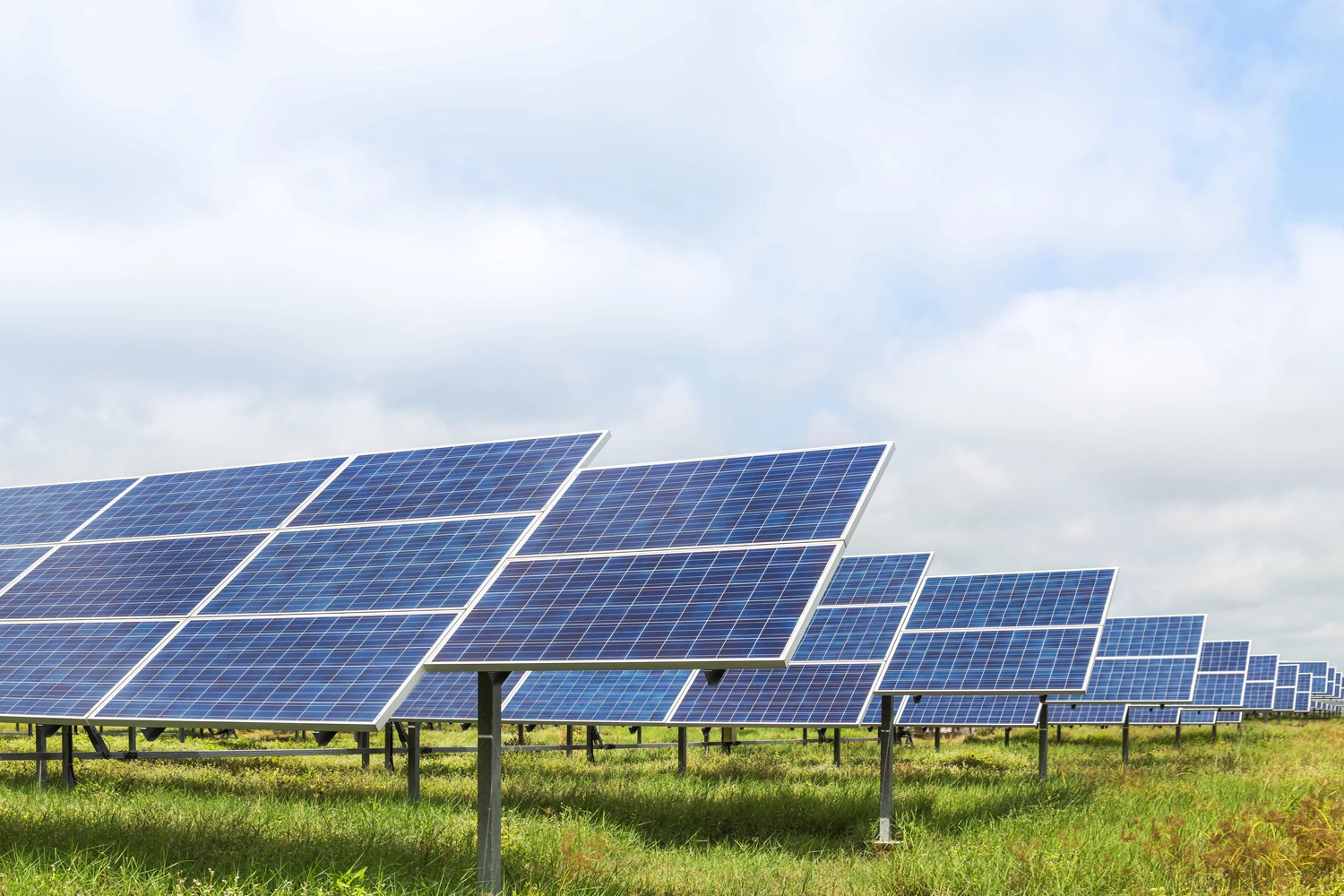
The Tennessee Valley Authority (TVA) is now offering the Dispersed Power (DPP) program as part of its renewable energy efforts. This program allows qualifying Small Power Producers with a renewable power system (up to 80 MW), or Cogeneration Facilities to connect to, and sell power to TVA. Once connected, a qualifying facility can use the…

Read article
Carbon Monoxide Safety

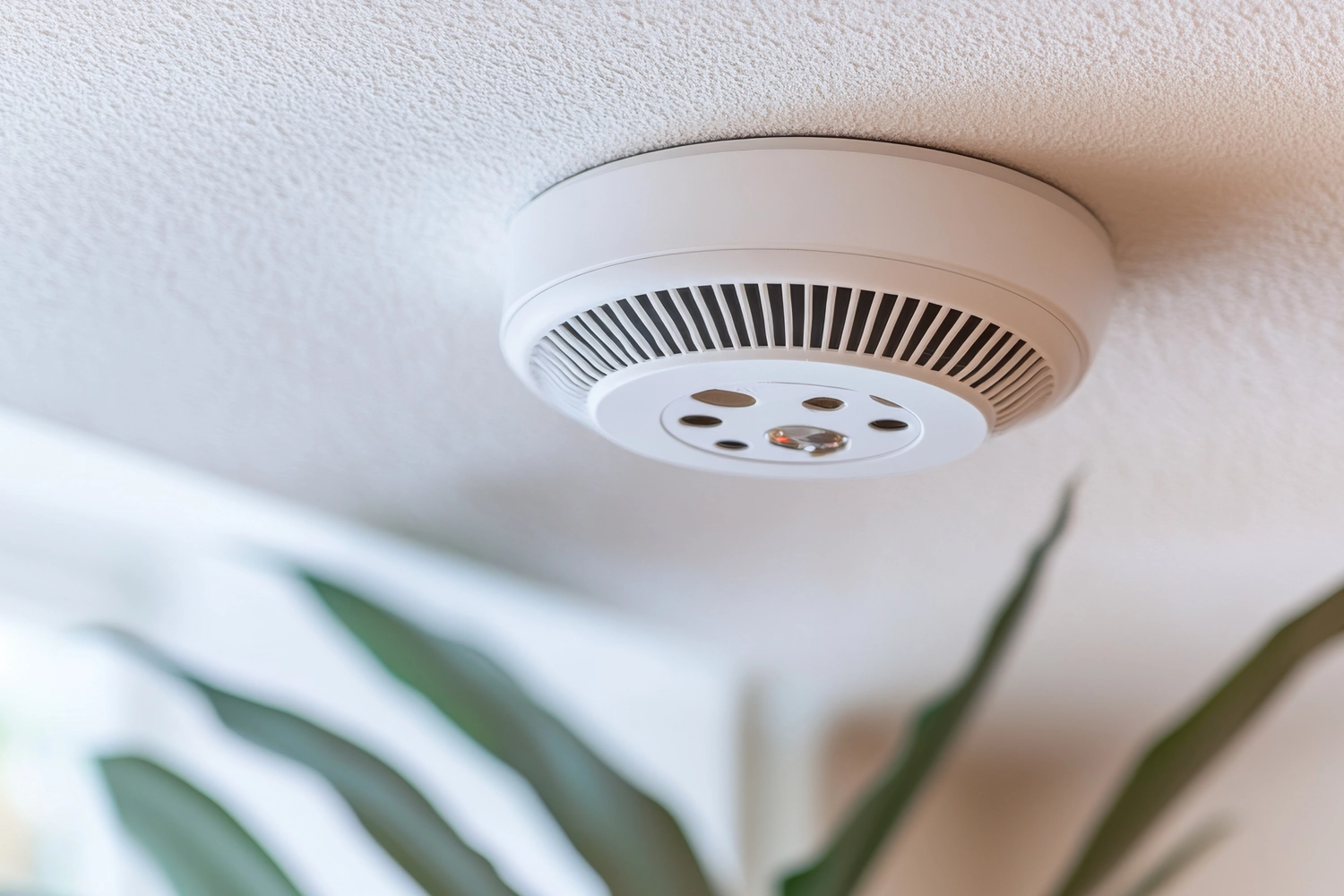
Dangers of Carbon Monoxide Gasoline, kerosene, and other fuels burned in combustion engines produce the dangerous gas, Carbon Monoxide. Colorless, and odorless, Carbon Monoxide can reach potentially lethal levels in spaces where there is inadequate ventilation, such as workshops and garages. Carbon Monoxide, a gas without color, odor or taste, is produced when gasoline and…

Read article
Helpful Tips to Reduce Your Bill

Most of HUB’s employees are also HUB customers. Here are some helpful tips they use that may reduce your overall monthly bill: • Turn down your heating system’s thermostat to 68°F. Turn it down even lower if no one is home for several days. • Lower your water heater temperature to 120°F and reduce hot…

Read article
Detect a Leaking Toilet

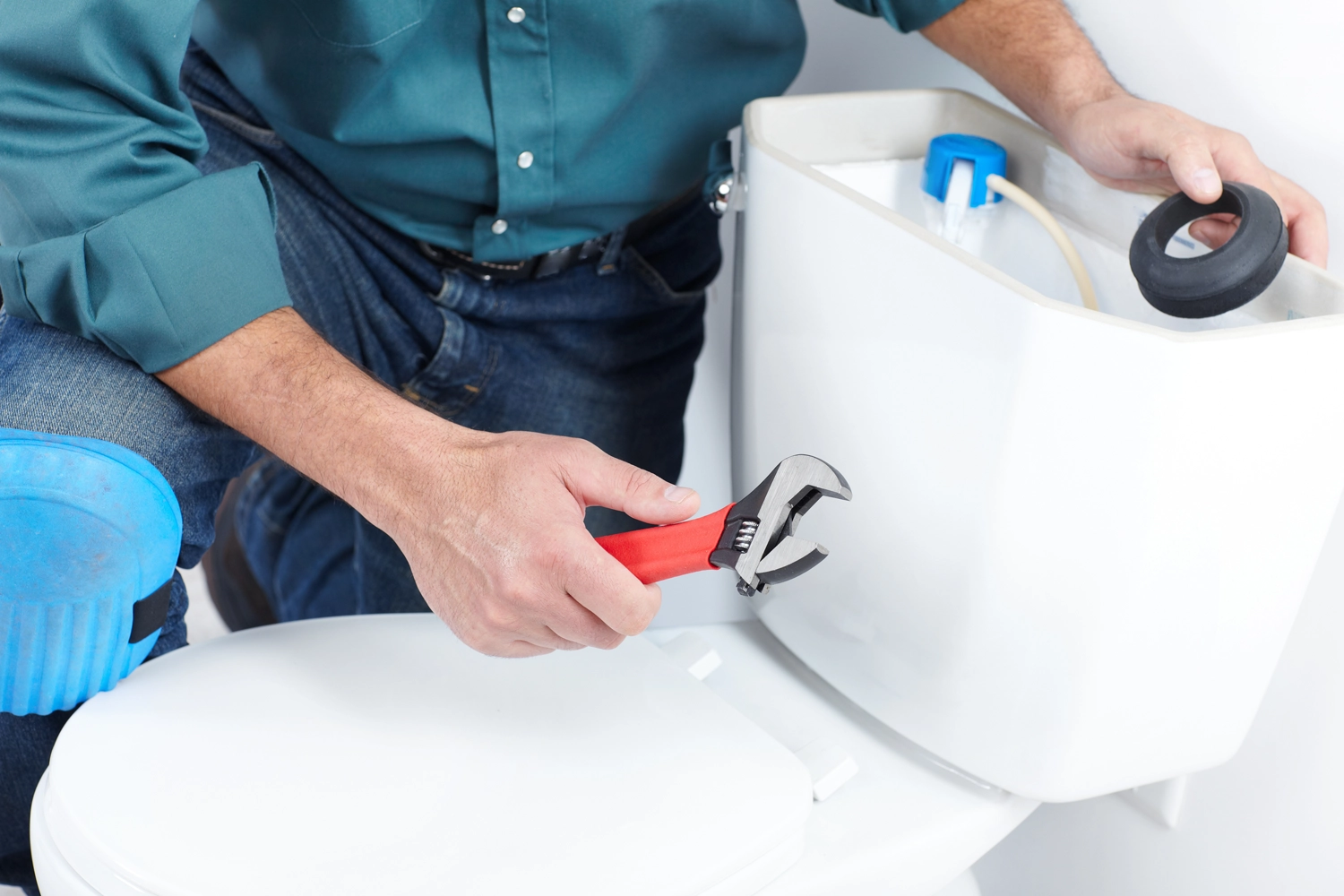
Inspect Your Toilet for Leaks Is your water bill much higher than usual this month? Modern toilets are designed to efficiently conserve water use, but sometimes, these improved designs hide the signs of a leak. Your bathroom toilet operates by automatically shutting off the supply of water to the tank when it reaches a specified…

Read article
Detecting Water Leaks

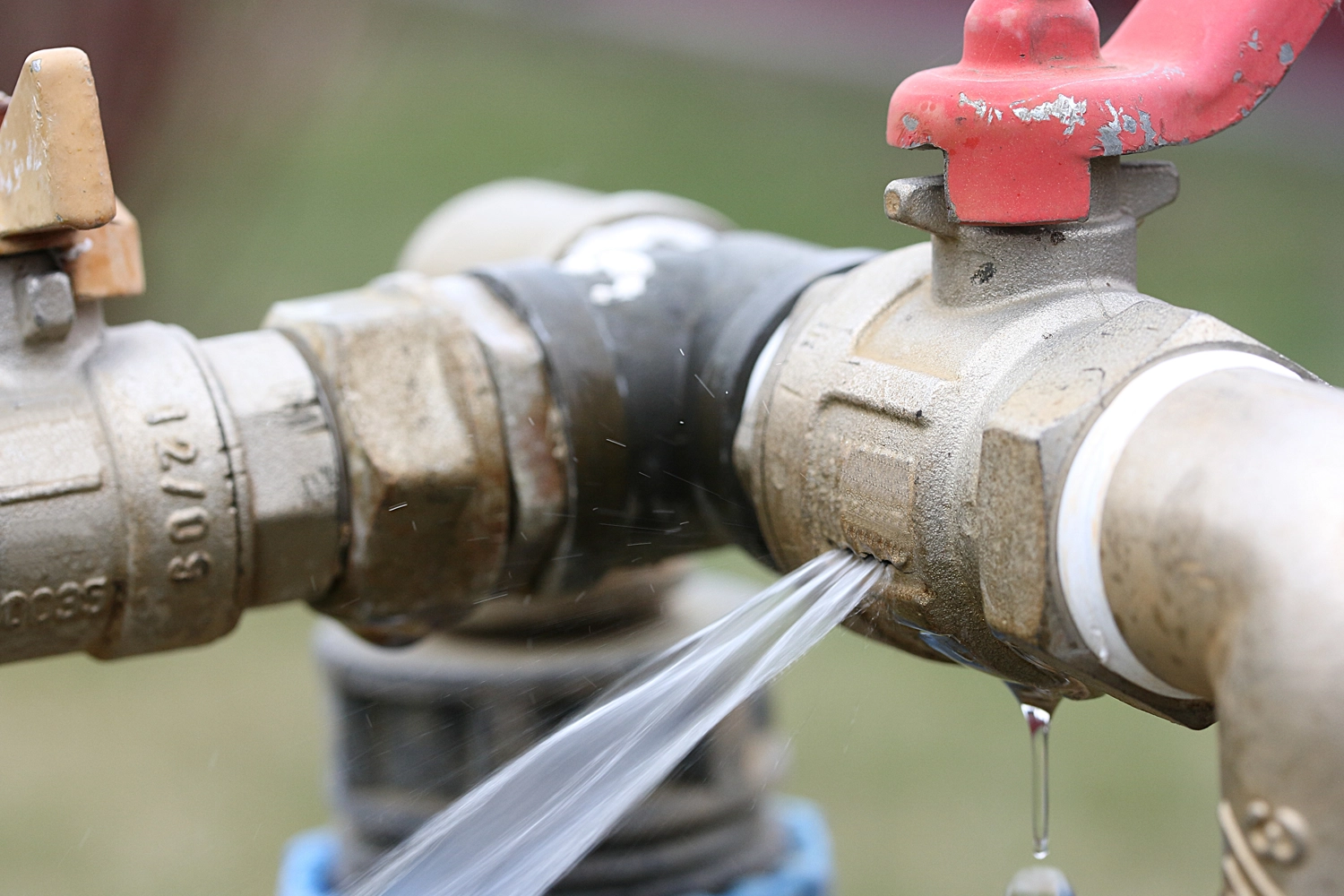
Reducing Water Loss Reducing water loss is a major focus at HUB. Water loss can occur through leaks of different kinds; some common types of leaks you may experience are pipe peaks, faucet leaks, toilet leaks, and underground leaks. When attempting to detect or fix these leaks, use the following suggested tips to help: •…

Read article
Tips for Conserving Water

Water conservation is considered an important practice by the Harriman Utility Board. While our region is generally unaffected by drought, our water treatment and distribution system has a finite volume of clean, potable water that can be provided. During particularly dry seasons, this can be especially limited. The following are some useful “tips” and practices…

Read article
Green Switch Program

Support Renewable Energy in Your Community We believe in empowering our customers to make a positive impact on the environment. Through the TVA Green Switch program, you can support renewable energy generation in the Tennessee Valley with a simple monthly contribution. For just $2 per block, you help ensure that 200 kilowatt-hours (kWh) of your…

Read article
Call Before You Dig

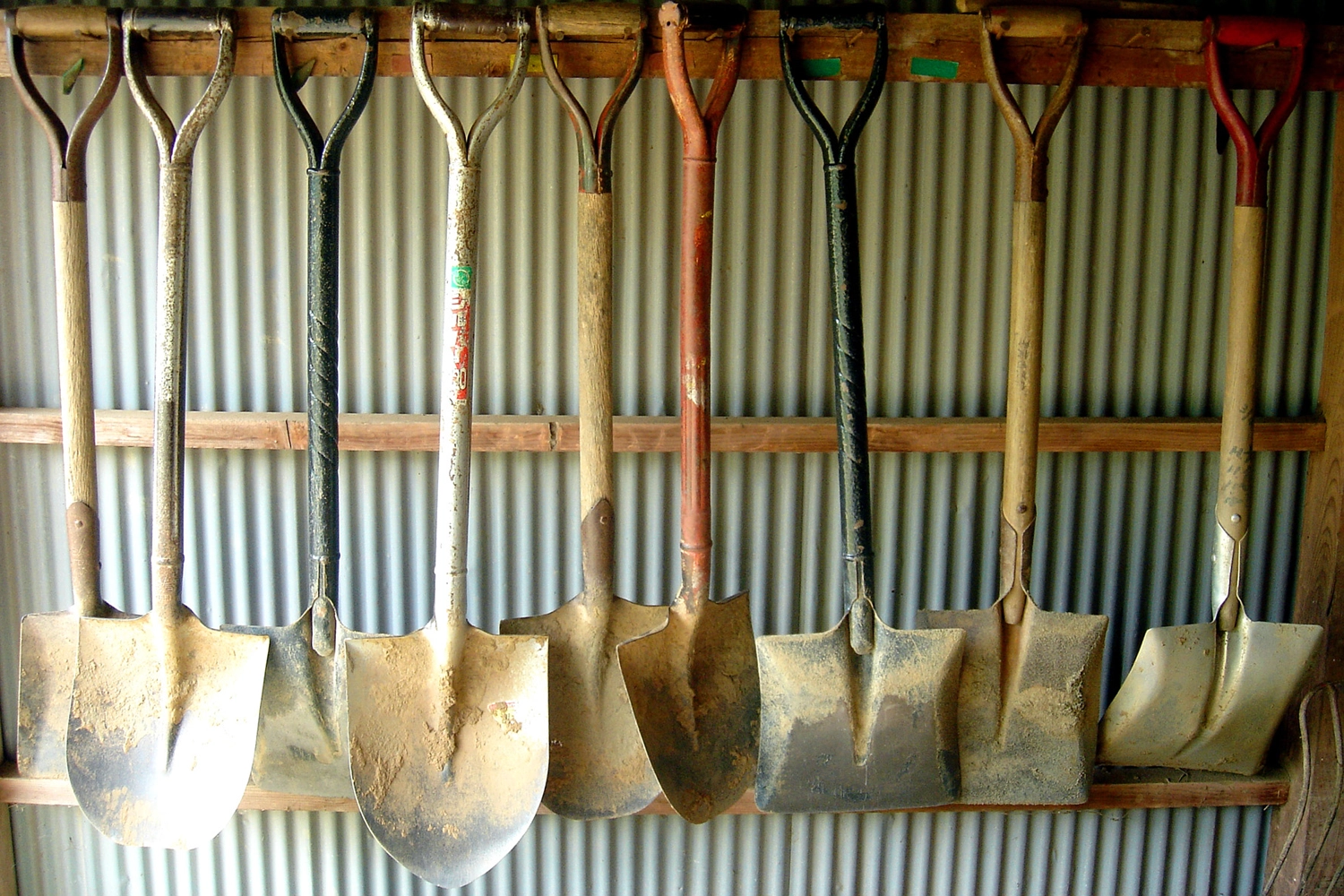
Dial 811 for Tennessee One Call Many utility lines run underground, and are not always immediately recognizable. Any time you plan a project involving digging into the ground, no matter how “small”, you should utilize Tennessee One Call, the state-wide notification service, at 1-800-351-1111, or simply dial “811”. Calls made at least three days before digging will…

Read article